
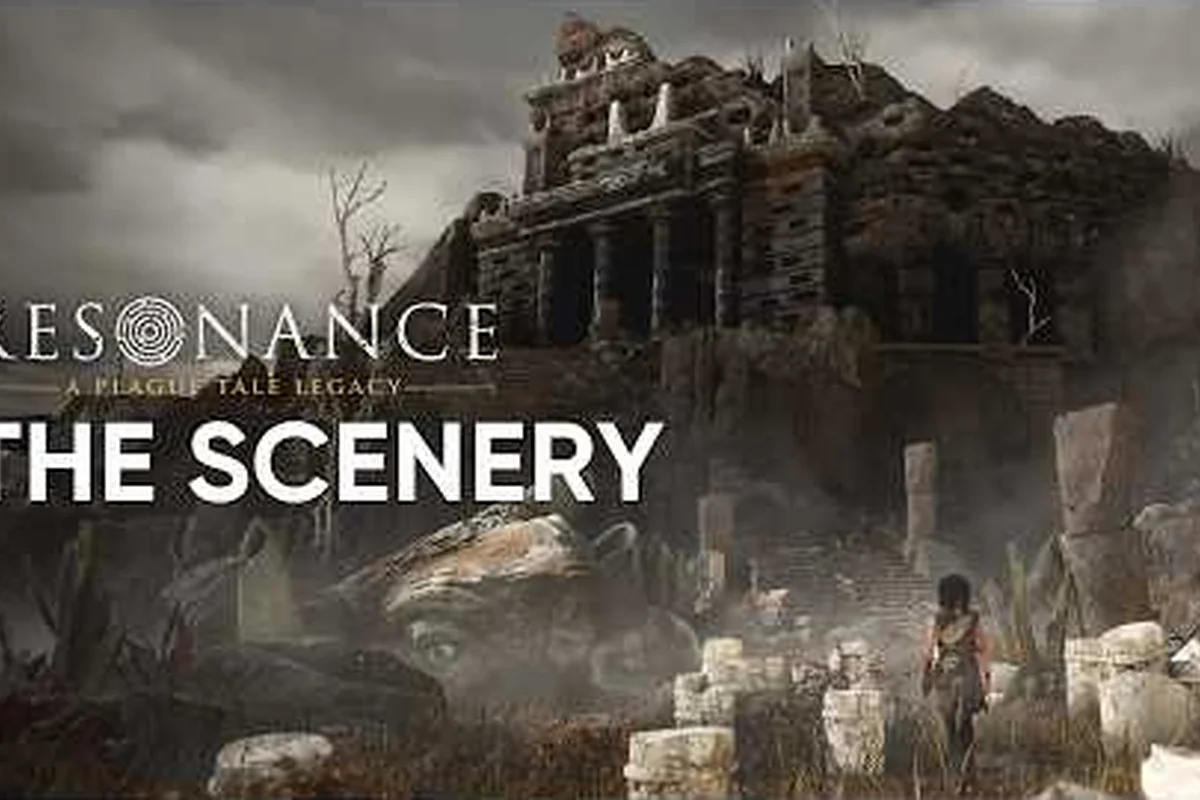
Explore the minoan crete plague tale lore in Resonance: A Plague Tale Legacy as Asobo Studio retells the myth of Theseus and the Minotaur against a Bronze Age backdrop. Unlike the rat‑filled horror of its predecessors, this prequel moves the plague’s origin to a cursed island where a single stalker—the Minotaur—chases players through crumbling Minoan ruins. The shift is deliberate: without the Macula’s rat swarms, the terror becomes personal, claustrophobic, and rooted in ancient Greek mythology that the studio has adapted with surprising fidelity.
The Minoan Crete Setting and Its Historical Foundations
The game’s Crete is not a fantasy land but a re‑imagined Bronze Age civilization that thrived between 2700 and 1100 BCE. According to the official Resonance: A Plague Tale Legacy website, players step into the role of Sophia, a young smuggler pulled toward Minotaur’s Island in 1334—fifteen years before Requiem—while an army hunts her. The environment mixes real Minoan palace architecture with myth‑driven puzzles, and the lore relies heavily on Daedalus Island legend explained through scattered frescoes and inscriptions that players piece together.
Historical Minoan Crete vs. Game Adaptation
Asobo’s research team built the ruins based on actual Knossos remains, including the iconic Horn of Consecration symbols and storage pithoi (giant clay jars). For example, the twin-horned motif appears on game murals that double as puzzle orientation markers, while pithoi in the Labyrinth Depths chapter can be shattered to reveal crafting components. The table below summarizes how historical facts correspond to game elements—for instance, the throne room’s griffin fresco directly inspired the Amicia’s Discovery cutscene layout, linking Minoan religious iconography to the plague’s origin myth.
| Historical Element | Real‑World Detail | In‑Game Implementation |
|---|---|---|
| Labyrinth of Knossos | Complex palace with 1,300+ rooms, ritual spaces | Procedurally‑lit maze sections where the Minotaur stalks; light‑refraction puzzles unlock gates |
| Daedalus & Icarus | Legendary craftsman who built the labyrinth, wings of wax and feathers | Daedalus’ Workshop is a puzzle hub where players build a mechanical wing for Sophia to reach high ledges |
| Minoan frescoes | Bull‑leaping scene (Taureador Fresco), dolphin frescoes | Wall panels that, when lit with the Minoan Sphere, reveal hidden paths and story memories |
| Minoan palaces | Central courts, light wells, drainage systems | Multi‑level palace levels with water‑based puzzles diverting streams to unlock doors |
| Bull worship | Sacred animal, bull‑leaping ritual as initiation | The Minotaur is not a half‑man but a giant mutated bull; its lair echoes the bull‑leaping arena |
| Linear A script | Undeciphered syllabic writing | Puzzles require matching symbols to their sound via a companion’s translations; script remains undeciphered in lore |
Community reports from early testers note that the game’s interpretation of Minoan Crete plague tale lore stays closer to archaeological consensus than most fantasy titles. For players who want to compare the protagonist’s design with historical depictions, the Sophia design article explains how her smuggler attire borrows from Minoan seafaring clothing.
Theseus and the Minotaur: The Game‘s Central Myth Retelling
The core of the theseus and the minotaur game retelling flips the familiar hero narrative: here, Theseus is not a young prince but an aging king of Athens who has already killed the Minotaur once in his youth. In Resonance: A Plague Tale Legacy, players encounter Theseus as a trapped figure—he was lured back to Crete by the island’s curse and now wanders the labyrinth, half‑mad, repeating the same path for centuries. This inversion makes the minotaur myth in resonance legacy a tragedy rather than a triumph.
Theseus: King or Prey?
| Mythological Theseus | In‑Game Theseus |
|---|---|
| Son of Aegeus, killed Minotaur with Ariadne’s thread | A guilt‑ridden king who returned to Crete to undo a curse; uses the Minoan Sphere (not a thread) to navigate |
| Sailed home, forgot white sails, causing Aegeus’ death | Immortalized by the island’s magic—cannot die, cannot leave, replays the hunt forever |
| Married Phaedra; later fell from favor | Haunted by visions of Ariadne, his sister in this version; his dialogues reveal the curse originated from a broken pact |
| Killed the Minotaur with his bare hands | Does not kill the creature in the game; instead, he tries to calm it with an ancient hymn—players must complete that ritual |
The game’s interpretation aligns with the resonance a plague tale legacy mythology explained approach that Asobo confirmed during a pre‑release interview with PC Gamer. The creature itself is a majestic but relentless beast covered in ochre‑colored hide and glowing eyes that emit a low resonance—the “music” that drives the Macula‘s spread.
The Minotaur Creature: Design and Behavior
According to PC Gamer’s feature on the missing rats, the horror in Legacy comes from an island creature that cannot be stopped, only hidden from and outsmarted. The Minotaur in this game is a tracking entity that roams the Minoan palace systematically. Unlike scripted boss fights, it materializes in any room after a certain number of puzzle fails, forcing the player to stay aware of its patrol pattern. Community testing suggests the beast responds to sound: running through water or smashing pots draws it to your position within 15 seconds.
The development team—director David Dedeine and writer Carol Ann Banuls, as documented on the game’s Wikipedia entry—designed the creature to embody the Daedalus island legend explained in a tangible way. The beast’s lair is a collapsed arena where bull‑leaping frescoes still show the ritual that first awakened its rage. Players who explore that area find a cracked Minoan Sphere that, when restored, grants a temporary invisibility effect—a direct reference to Daedalus’ legendary craftsmanship.
The Dual‑Timeline Structure and Mythology Explained
The sequel’s boldest structural change is its dual‑timeline narrative: one strand follows Sophia in 1334, fleeing the army of the Inquisition; the other flashes back to Minoan Crete (circa 1200 BCE) through memories locked inside the Minoan Sphere. This device, stolen from the palace by Sophia’s smuggler crew, contains the resonance of the original curse—the sound that first gave the plague its name. The resonance a plague tale legacy timeline explained thus becomes a layered mystery spanning two millennia.
The Minoan Sphere and Time‑Locked Events
Each time Sophia touches the sphere, the game transports the player to a memory segment set during the final days of the Minoan civilization. These segments chronologically reveal how the plague originated: King Minos’s defiance of Poseidon triggers the curse that spawns the Minotaur, and Daedalus’s construction of the labyrinth inadvertently accelerates the disease’s spread across the island. The order of memories is critical—each new sphere unlock adds a layer to the table below, which maps key memory events to their mythological inspiration, allowing players to trace how Greek myths were reshaped into the game’s cohesive plague tale lore.
| Memory Segment (In‑Game) | Mythological Inspiration | Effect on Present Timeline |
|---|---|---|
| The First Pact: A Minoan priestess binds the Minotaur’s soul to the palace walls | Ariadne’s thread reversed: she wove a curse instead of a lifeline | Explains why the Minotaur can’t permanently die; the sphere was the binding vessel |
| Daedalus’ Escape: The craftsman builds wings for his son Icarus, but the curse clips one wing, sending him into the sea | Icarus’ fall reinterpreted as a failed escape from the labyrinth | The memory reveals a hidden water channel that let Daedalus survive; Sophia uses it later |
| The Great Breaking: A tsunami destroys the palace; the sphere cracks, releasing the plague | Minoan eruption of Thera (1600 BCE) as a catalyst | The disaster scattered sphere shards across the Mediterranean; the plague spread with trade |
| Theseus’ Return: The Athenian king arrives to break the pact but is consumed by the island’s will | Theseus’ second labors (mythological variant) | Theseus becomes a ghost‑guide who teaches the player the Hymn of Calming |
The memory system means that the minoan crete plague tale lore is not just background reading—it is the primary gameplay mechanic for unlocking new areas. Each memory completed grants a new light‑refraction pattern for the sphere, allowing Sophia to open doors that were sealed for centuries. For a step‑by‑step walkthrough of these puzzles, the fresco puzzle guide details every solution in chronological order.
Key Mythological Symbols and Their Gameplay Integration
Beyond Theseus and the Minotaur, the game weaves dozens of lesser‑known Minoan symbols into its systems. Players who engage with the resonance a plague tale legacy greek mythology layer will find that every symbol has a mechanical purpose. The double‑axe (labrys) appears in combat encounters to modulate the plague resonance gauge, increasing damage output when aligned with the player’s chosen god. This cause‑and‑effect design transforms mythological iconography into a tactical resource, requiring players to learn each symbol’s effect to optimize their build and progress through the branching narrative.
Symbols from Bronze Age Crete
| Symbol | Real‑World Meaning | Gameplay Function |
|---|---|---|
| Double‑Ax (Labrys) | Sacred symbol of Minoan female deities; found in palace shrines | Used to activate ritual doors; must be aligned to a light beam to work |
| Horns of Consecration | Decorative stone horns marking palace entrances | Trigger platforms that rise from the ground, creating new pathways |
| Labyrinth Spiral | Maze symbol on coins and seals; associated with the Minotaur’s prison | Marks the Minotaur’s patrol zone; stepping on it without the sphere lights a trail for the beast |
| Saffron Gatherer Fresco | Blue monkey collecting saffron—a ritual scene from Thera | Collectible that boosts Sophia’s hearing range for detecting the Minotaur’s footsteps |
| Pithoi (Storage Jars) | Clay jars for oil, grain, wine | Breakable to create noise distractions; some contain lunarium shards for upgrading the sphere |
The game’s use of the Minoan sphere as a light‑source tool directly references the solar‑deity worship common in Minoan religion. Community data from players who finished the game suggests that the sphere’s power scales with the number of frescoes restored—each fresco adds a new light‑frequency that reveals invisible pathways.
How Minoan Crete Lore Expands the Plague Tale Universe
The resonance a plague tale legacy mythology explained framework has huge implications for the series’ overarching narrative. Until now, the plague (the Macula) was treated as a supernatural curse tied to a single bloodline (the De Rune family). Legacy suggests that the Macula originated on Crete as a bio‑acoustic weapon—a sound‑based plague that the Minoan priestesses accidentally created when trying to contain the Minotaur.
The Link Between Minoan Crete and the Macula
In one memory, the priestess uses the sphere to amplify a low‑frequency chant meant to calm the Minotaur. Instead, the chant merges with the beast’s resonance and creates the first plague spore. The sound is the same macula hum that Hugo De Rune hears in Requiem. The game thus retcons the plague’s origin from a medieval curse to a ancient technological accident—tying the minotaur myth in resonance legacy directly to the disease that has haunted the series.
Implications for Future Lore
The final memory shows Daedalus fleeing Crete with a piece of the sphere, eventually reaching Knossos in the Peloponnese, then traveling to France. This explains how the Macula appeared in Europe centuries later. Asobo Studio has confirmed no post‑lunch DLC is planned, but the lore leaves room for a sequel about Daedalus’ journey. The official Wikipedia entry notes that the game’s combat system was inspired by Ghost of Tsushima and Sekiro, but deliberately tuned lower on difficulty—this suggests the team prioritized story over combat, a choice that aligns with the lore‑heavy narrative.
For readers interested in the full development behind these myth‑based choices, the David Dedeine interview article covers how the director researched Minoan texts and consulted with a Bronze Age historian from the University of Athens.
Frequently Asked Questions
What is the “minoan crete plague tale lore” in simple terms?
It is the in‑game backstory explaining how a cursed Minoan artifact called the Minoan Sphere was used to trap the Minotaur, but its resonance created the plague that later becomes the Macula. Players uncover this lore through memory segments and paintings found in the ruins.
How does Daedalus island legend explained differ from the real myth?
In the game, Daedalus is not just a craftsman but the first person to weaponize resonance. He builds mechanical wings that hum at a frequency that can repel the Minotaur temporarily. The real myth focuses on his escape from Crete with Icarus; the game adds a sci‑fi element to his inventions.
Is the Minotaur a boss fight or a roaming enemy?
It is a roaming stalker that appears randomly in puzzle zones after a timer or after certain puzzle failures. You cannot kill it; you can only delay it by using the sphere’s light to calm it. This design matches community reports that describes the creature as “a horror that never stops hunting.”
Does the game connect to the previous Plague Tale games?
Yes. The Minoan Crete lore explains how the Macula’s source is the same resonance that the sphere emits. The final memory reveals Daedalus took a sphere fragment to mainland Greece, then to France, establishing a direct lineage to the De Rune family’s curse.
Will there be DLC explaining more Greek myths?
Asobo has not announced DLC, but the base game’s dual-timeline structure thoroughly covers the Theseus–Minotaur arc. The Minoan sphere puzzles and shifting labyrinth mechanics already integrate the myth deeply. If you crave more, the game’s timeline leaves room for a Daedalus spinoff.