
Lore & Story
Explore Resonance: A Plague Tale Legacy lore — the Minotaur's Island setting, Daedalus mythology, factions, and the story of Theseus' plague-touched journey.
Introduction
Lore decodes why Minotaur's Island matters to the A Plague Tale universe. Legacy reaches back before Innocence and Requiem — to 1334, and further still to Minoan Crete — hunting the oldest roots of the Prima Macula, the curse that later plagues Europe across the series. The island itself is a character: Daedalus wove light into its mechanisms, the labyrinth myth left structural echoes in its temples, and something beneath the depths resonates with Sophia specifically. The dual-timeline structure makes lore mechanically real, since Theseus-era events physically reshape Sophia's present rather than merely paralleling it. Notably absent are the rat swarms that defined prior games; Greek myth and the island's own horror replace them entirely, a change that has dominated community discussion since reveal. Explainers here are tiered by spoiler exposure so players can follow theories chapter by chapter without learning the finale early.
Timeline Anchor Points
| Era | Events | Series Significance |
|---|---|---|
| Minoan Crete | Theseus' gladiatorial era and labyrinth legend | Mythic origin of the curse |
| 1334 AD | Sophia's exile and island arrival | Direct prequel setting |
| Innocence Era | The de Rune children and the Inquisition | Later chronology |
| Requiem Era | Sophia aids Amicia and Hugo | Future she grows toward |
| The Island Itself | Daedalus mechanisms and the deep resonance | Physical locus of the Macula |
Canon Pillars
The Prima Macula
The curse at the series’ heart — traced to its oldest roots
Minotaur’s Island
Daedalus-built architecture hiding something beneath the depths
The Dual Timeline
1334 and Minoan Crete braided through playable echoes
The Labyrinth Myth
Theseus’ legend as architectural and thematic blueprint
Sophia’s Place in the Series
How the prequel reframes everything Requiem showed
Core Mechanics
Legacy's mythology operates on two braided clocks. The older strand runs through Minoan Crete, where Theseus' legend entwines with Daedalus-built mechanisms that still function when Sophia arrives millennia later — the island remembers its engineering and its prisoner alike. The newer strand follows 1334: Sophia's exile by her mentor, the army at her heels, and the resonance only she seems to hear from the depths. The Prima Macula ties the strands together as the series' central curse, positioned here at its mythic root centuries before it surfaces in Innocence. What makes Legacy unusual within the franchise is mechanism-as-lore — flashback choices physically alter present-day conditions, so understanding the timeline is not optional flavor but play documentation. The absence of rats completes the reinvention: where earlier games weaponized disease, this island weaponizes architecture, myth and pursuit.
Advantages
Lore fluency upgrades gameplay in concrete ways. Recognizing echo mechanics as timeline logic helps players predict which flashback choices matter, converting apparent branching noise into readable consequences. Journal symbols make more sense against mythological context — runes reference the same iconography the explainer pages decode, which speeds puzzle recognition considerably. For series veterans, knowing exactly where 1334 sits between Innocence and Requiem sharpens dramatic irony throughout: every trait adult Sophia displays in Requiem becomes traceable to an island experience. Lore knowledge also future-proofs community participation; theory threads move fastest during launch weeks, and players grounded in documented canon separate signal from speculation efficiently. Finally, spoiler-tiered reading habits formed here protect the finale — the category is deliberately structured so depth never forces exposure.
Challenges
Theory content carries inherent risk during any game's launch window, and Legacy's leak environment amplifies it: pirated builds circulated before release, so unverified ending claims float through community spaces. This category documents exclusively from official channels and clearly labels speculation as such. Interpretive uncertainty compounds the problem — the Macula's exact relationship to Greek myth resists confirmation until the full narrative lands, so several explainer sections present competing readings rather than false certainty. Spoiler tiering also means entries are intentionally incomplete mid-launch; the finale page fills out only after release with explicit warnings. Players allergic to ambiguity should treat theory pages as living documents and return after finishing the campaign for the consolidated, verified versions of every argument.
Frequently Asked Questions
Where does Legacy fit in the A Plague Tale timeline?+
Why are there no rats in this game?+
What is the Prima Macula, and how does Legacy connect to it?+
Are Theseus flashbacks real events or visions?+
Quick Tips
Read journal entries immediately when collected — lore fragments frequently contain puzzle hints disguised as history. Small habits like this compound across every chapter of the campaign. Small habits like this compound across every chapter of the campaign. Small habits like this compound across every chapter of the campaign. Small habits like this compound across every chapter of the campaign.
Play Theseus chapters before reading their matching lore explainers; experiencing events first preserves twists documentation must spoil. Small habits like this compound across every chapter of the campaign. Small habits like this compound across every chapter of the campaign. Small habits like this compound across every chapter of the campaign. Small habits like this compound across every chapter of the campaign.
Note recurring spiral iconography whenever it appears in temples — the symbol bridges both timelines and anchors several late-game revelations. Small habits like this compound across every chapter of the campaign. Small habits like this compound across every chapter of the campaign. Small habits like this compound across every chapter of the campaign. Small habits like this compound across every chapter of the campaign.
Featured
Resonance: A Plague Tale Legacy Series Timeline Order
Discover the a plague tale series timeline order and see where Legacy's 1334 Crete story fits before Innocence and Requiem in this rat-free puzzle era.
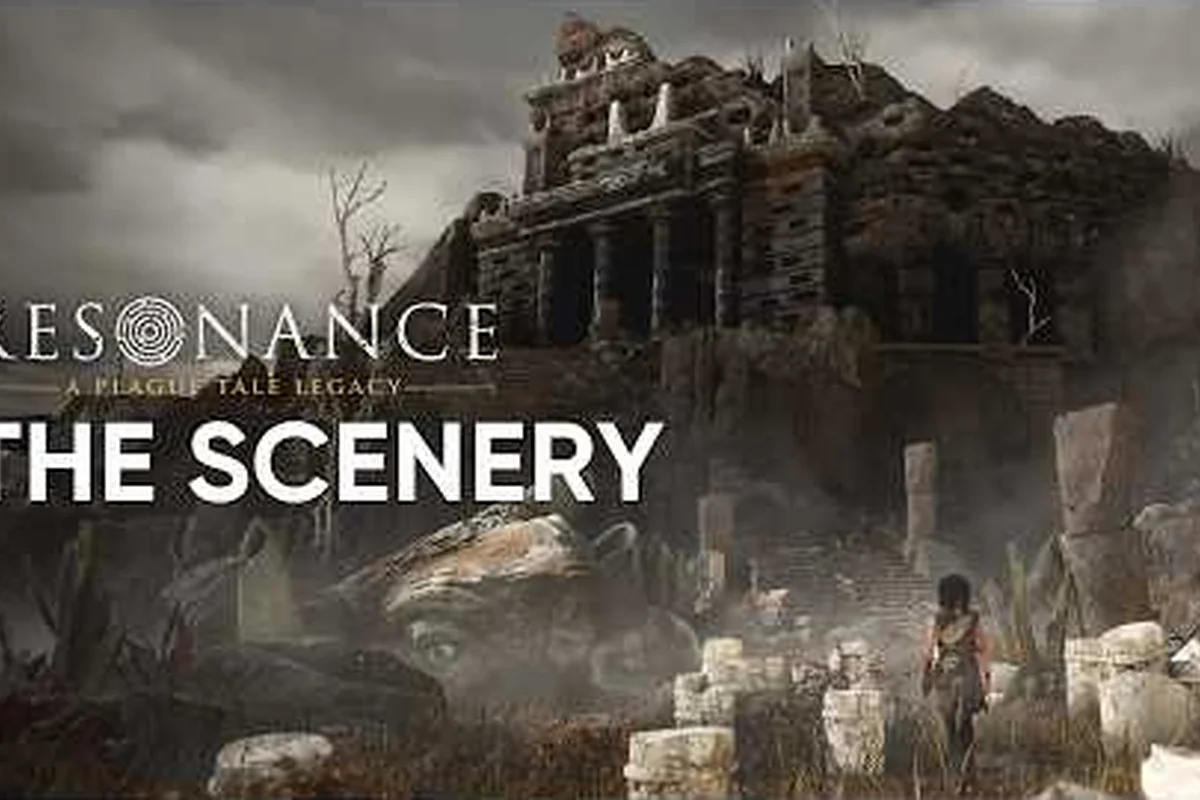
Resonance: A Plague Tale Legacy Minoan Crete Lore Guide
Explore minoan crete plague tale lore and how Theseus, the Minotaur, and Daedalus myths shape the island, plus the Greek retelling behind the 2026 story.
Resonance: A Plague Tale Legacy David Dedeine Interview
Dig into the resonance a plague tale legacy david dedeine interview plus Asobo devblogs on Bronze Age Crete, Knossos, and references shaping the 1334 myth.
All Articles
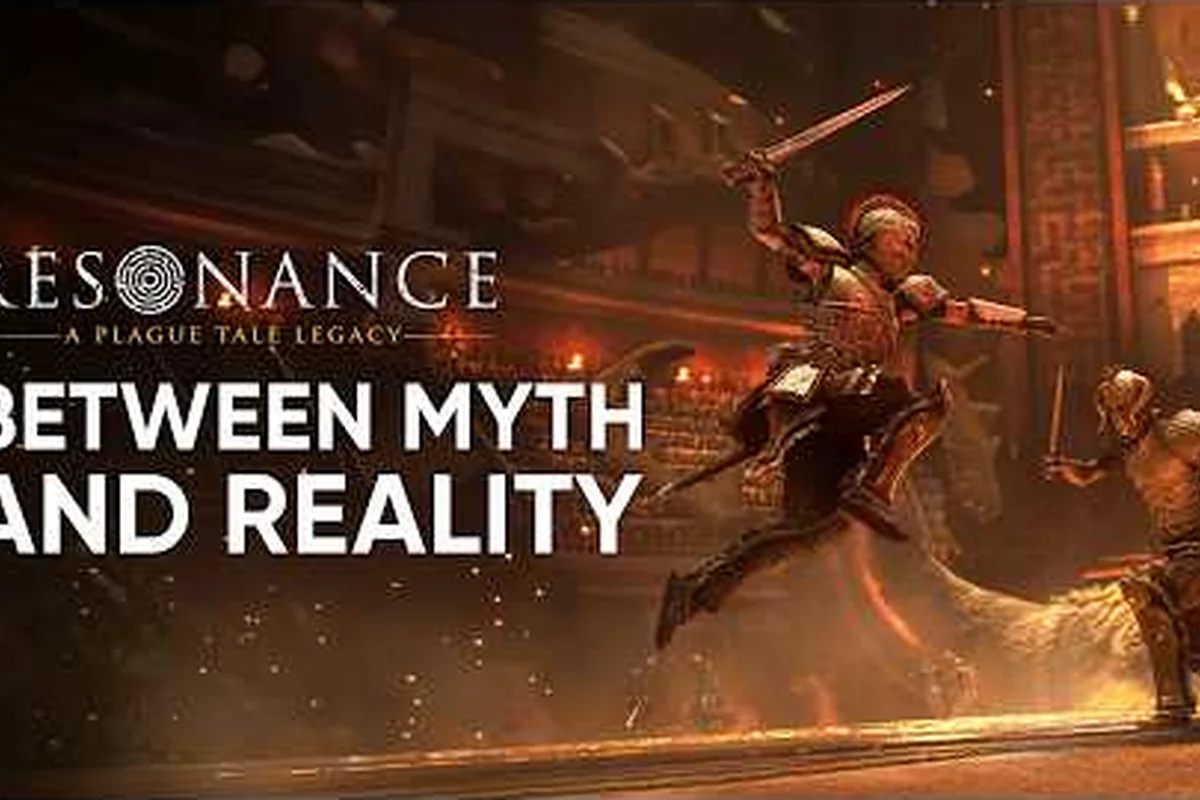
Resonance: A Plague Tale Legacy Lore And Macula Origins
Dive into resonance a plague tale legacy lore without rats: Prima Macula origins, Minotaur's Island history, and how 1334 redefines the series mythology.
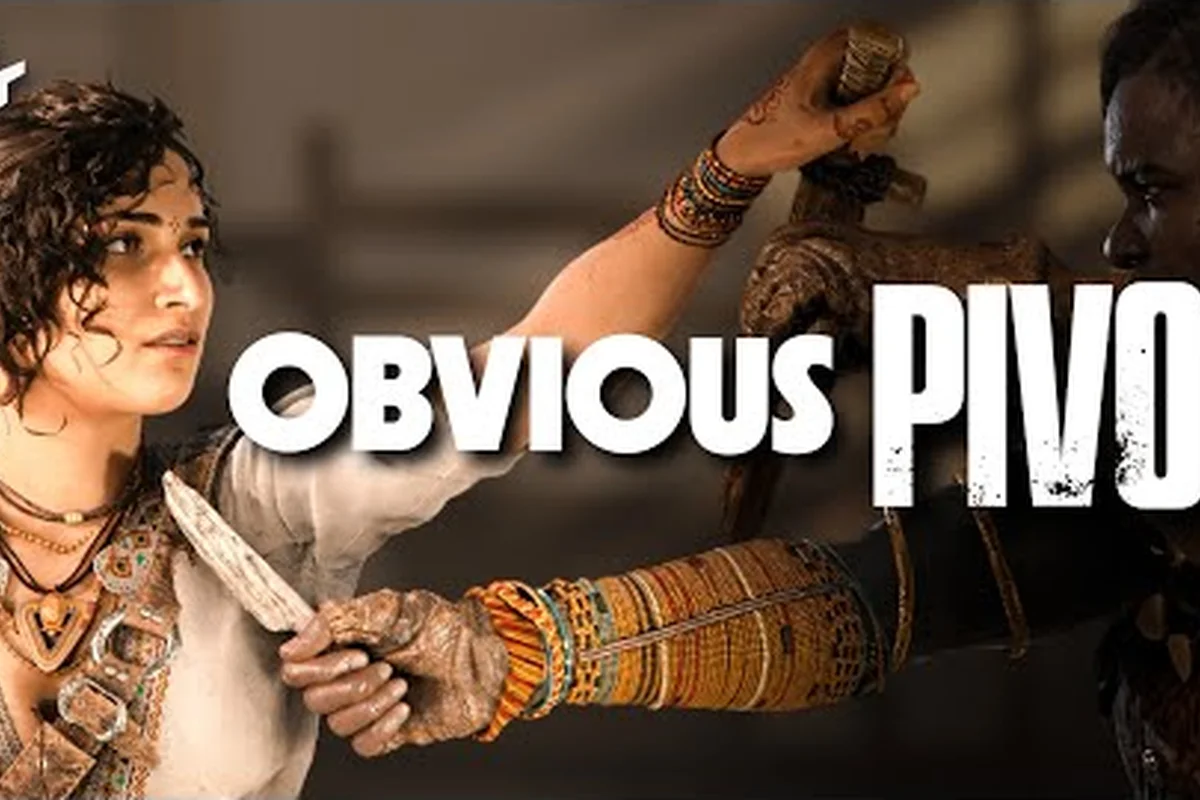
Resonance: A Plague Tale Legacy No Rats Explained Fully
Learn why resonance a plague tale legacy no rats explained marks a horror shift from swarms to a buried curse, with lore notes on Sophia's past secrets.
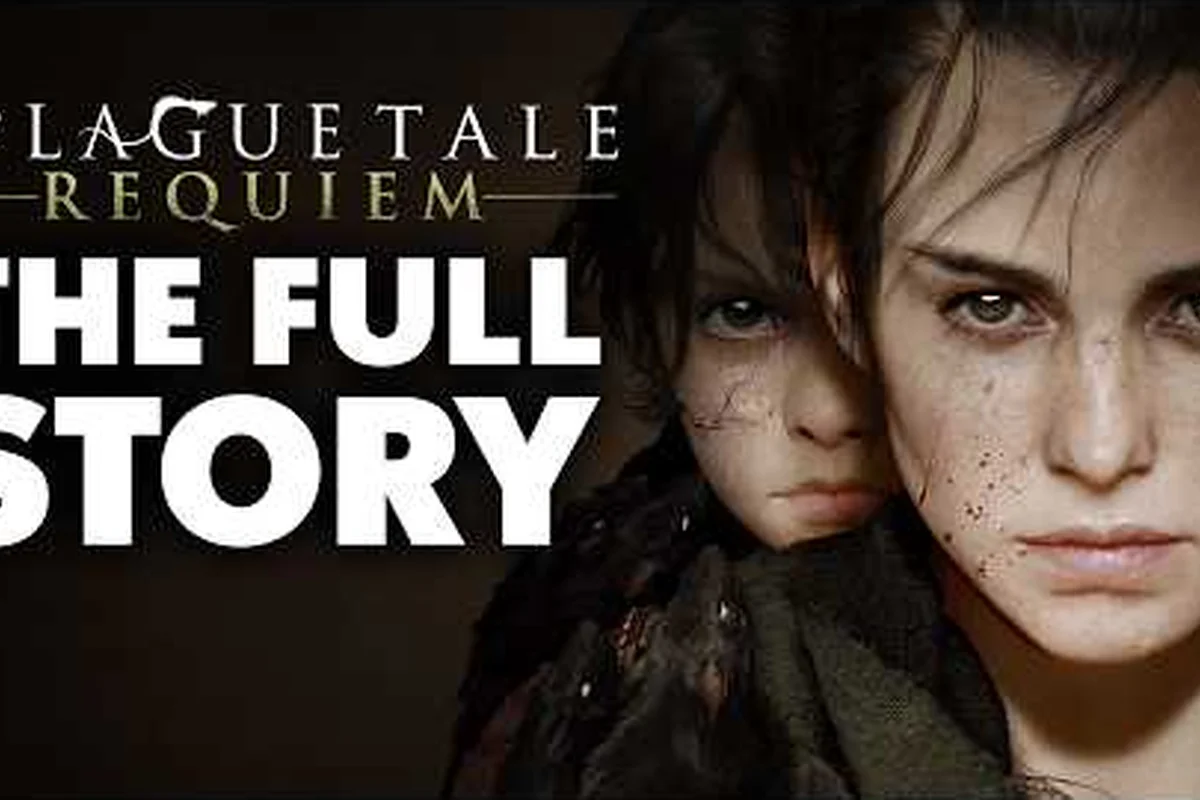
Resonance: A Plague Tale Legacy Sequel Setup Explained
Unpack the resonance a plague tale legacy sequel setup: whether 1334 is a Requiem prequel, if prior games are needed, and which ending hooks tease more.
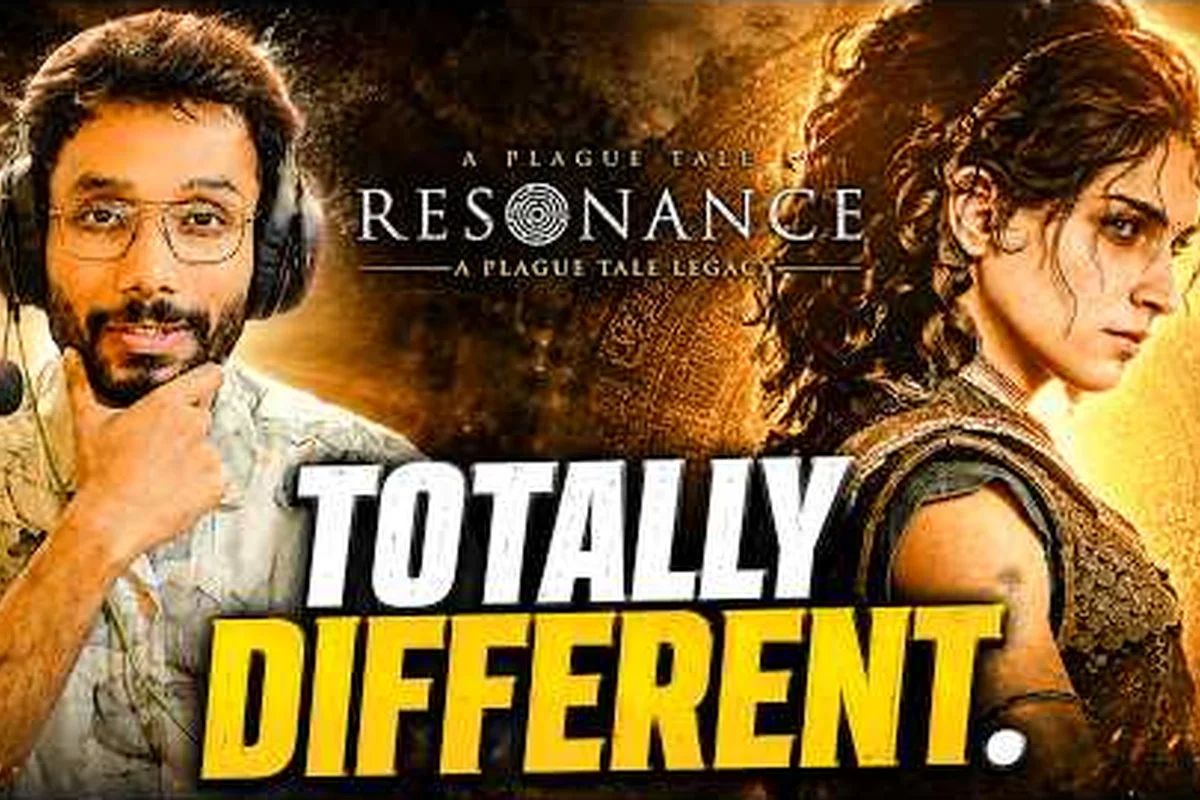
Resonance: A Plague Tale Legacy Themes Analysis Deep Dive
Explore a resonance a plague tale legacy themes analysis of grief, abandonment, and fate versus free will, plus hidden details and callbacks to earlier games.