
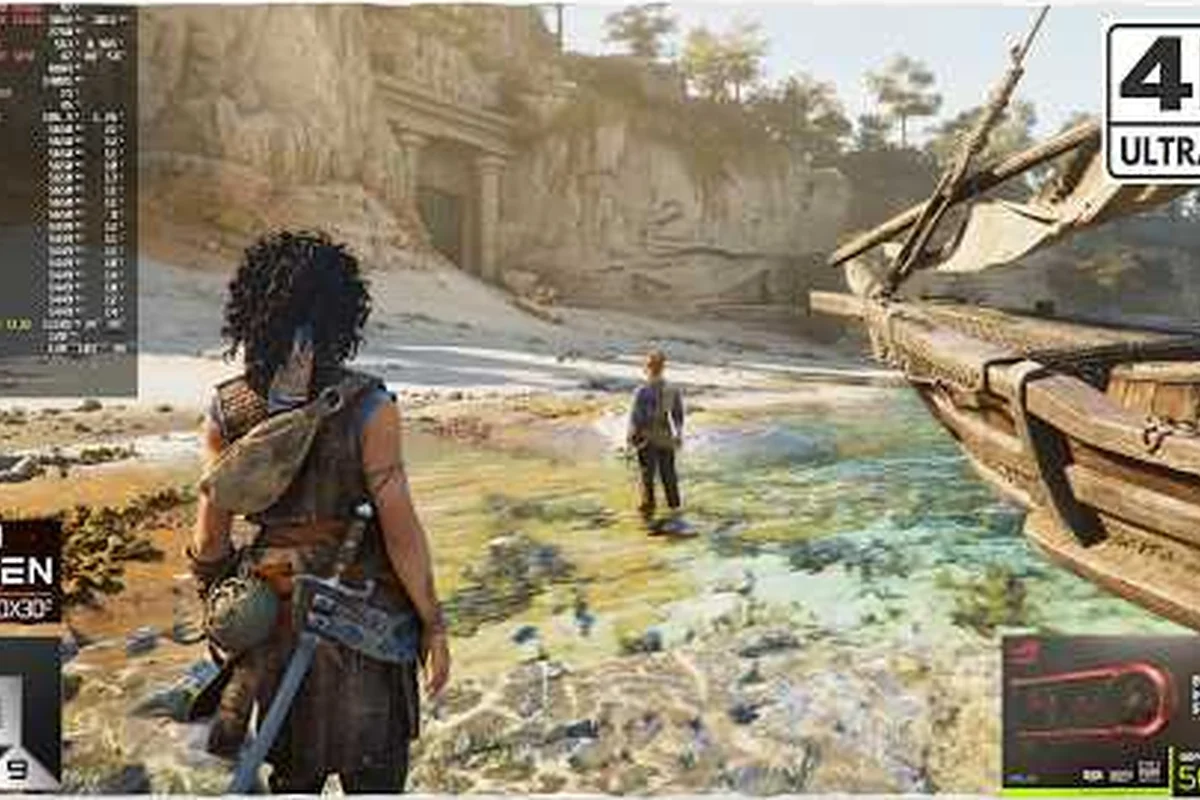
Sophia's loadout in Resonance: A Plague Tale Legacy is not a typical inventory screen but a reflection of her life as a Seadogs crew smuggler who learned to fight with whatever the sea left her. Understanding resonance a plague tale legacy sophia weapons means tracing how a child abandoned to the Mediterranean coast turned scavenged tools into a survival kit. This guide maps every confirmed tool, how the dual protagonist system hands some combat to Theseus, and why the gear choices matter for her character arc. This guide maps every confirmed tool, how the dual protagonist system hands some combat to Theseus, and why the gear choices matter for her character arc, including how her scavenged sling and alchemical ammo echo the same survivalist resourcefulness explored in Resonance A Plague Tale Legacy Child Of The Sea.
Sophia Weapon Philosophy and Early Loadout
Asobo Studio's designers described Sophia as a fierce fighter and free spirit, and her equipment reflects that identity rather than a traditional knight's arsenal. Instead of a single signature blade, Sophia carries improvised and practical tools tied to her smuggling background. According to the official Focus Entertainment story overview, players step into the role of a young smuggler in 1334, fifteen years before the events of A Plague Tale: Requiem, which explains why her early kit emphasizes agility over heavy armor.
Community reports from the Steam hub highlight a deliberate design choice: Sophia starts with light weaponry that rewards positioning and timing. The combat system, as documented in developer interviews, takes inspiration from Ghost of Tsushima, Sekiro, and Sifu but tunes the difficulty lower, meaning her weapon variety is about expression rather than execution barriers.
| Tool Category | Early Game Examples | Combat Role | Narrative Tie |
|---|---|---|---|
| Blades | Short sword, salvaged dagger | Fast slashes, quick interrupts | Smuggler self-defense |
| Traversal | Hook, rope, climbing picks | Reaching high ledges, escape routes | Coastal navigation |
| Thrown Items | Stones, fire pots | Distraction, area denial | Improvised ambush tactics |
| Defensive | Parry bracer, worn shield fragment | Timed blocks, stagger recovery | Survivor's pragmatism |
The what tools does sophia have question is best answered by looking at how her kit evolves. Early chapters push players toward hit-and-run tactics, because her starting blades lack the stopping power of heavier weapons. A short sword may feel underwhelming in a straight brawl, but it shines when paired with her dodge mechanics and environmental hazards.
Starting Blades and Smuggler Tools
Sophia's opening equipment includes a salvaged short sword and a smuggler's hook, both of which appear in pre-release footage and preview event impressions. The short sword favors three-hit combos that leave enough stamina for a dodge, while the hook serves double duty as a traversal anchor and a blunt strike in emergencies.
These tools are not just gameplay props. Her medallions and outfit details referenced by the GamingBolt devblog coverage mark her as a "child of the sea", someone who collected useful objects from shipwrecks and coastal ruins. That backstory means players should not expect a pristine arsenal but rather worn, functional gear that reflects years of self-reliance.
Dual Protagonists and the Theseus Split
Resonance: A Plague Tale Legacy introduces a dual protagonist structure that directly affects what weapons players control. While Sophia remains the primary playable character for most exploration and stealth segments, Theseus takes over combat scenarios that require heavier blows or direct confrontation. This split prevents the game from forcing Sophia into a warrior archetype that would contradict her established character.
The resonance a plague tale legacy dual protagonists system means players must manage two distinct toolkits. Sophia excels at speed, traversal, and disruption, while Theseus brings reach and raw damage. Understanding when the game hands control to each character is essential for planning upgrades and learning attack patterns.
| Character | Primary Weapons | Strengths | Best Used For |
|---|---|---|---|
| Sophia | Short sword, hook, thrown items | Mobility, stealth, environmental kills | Exploration, infiltration, crowd control |
| Theseus | Long blade, heavy strikes | Damage, stagger, area control | Boss fights, armored enemies, sieges |
Players who want to focus on resonance a plague tale legacy play as theseus segments will find that his moveset leans into deliberate, weighty swings. His involvement is not a full second campaign but rather structured combat chapters that punctuate Sophia's journey, reinforcing the narrative tension between two people shaped by abandonment.
Theseus Combat Role and Weapon Feel
Theseus fights with a long blade and occasionally a heavy blunt weapon, according to combat previews aggregated across community discussions. His attacks are slower but break enemy guards, making him the go-to for armored patrols that Sophia cannot efficiently handle with her lighter blades.
The contrast is intentional. Sophia's resonance a plague tale legacy character arcs arc is about proving she does not need anyone else, while Theseus embodies the cost of that independence — raw strength bought with isolation. Playing as both characters lets the game explore the abandonment theme from two angles: Sophia runs, Theseus stands his ground.
Weapon Progression and Environmental Interaction
Sophia's arsenal expands through environmental interaction more than traditional loot drops. Rather than finding legendary swords in chests, players discover improvised upgrades hidden in coastal ruins, smuggler caches, and abandoned outposts. This progression system ties directly to her background, reinforcing that she survives by reading the landscape and repurposing what others discard.
The resonance a plague tale legacy abandonment theme runs through every tool she picks up. A broken oar becomes a staff, a rusted harpoon becomes a throwing weapon, and a ship's rigging hook becomes her signature traversal gear. Each upgrade tells a small story about the place it came from, which rewards players who slow down and explore.
| Upgrade Source | Example Weapon | Unlock Condition | Narrative Meaning |
|---|---|---|---|
| Smuggler Cache | Reinforced short sword | Complete early stealth section | Trust from old crew contacts |
| Shipwreck | Harpoon thrower | Explore coastal wreck | Connection to her sea life |
| Ruined Shrine | Blessed blade fragment | Solve environmental puzzle | Hint at larger mystery |
| Abandoned Outpost | Parry bracer upgrade | Defeat optional patrol | Proof of survival skill |
The resonance a plague tale legacy sophia childhood story is embedded in these upgrades. Sophia was first met in A Plague Tale: Requiem at age 22, and Legacy shows how she became that person. A child who scavenged to survive would naturally build a kit from scraps, and the game honors that logic by making her best tools feel earned rather than gifted.
Traversal Gear as Combat Utility
Sophia's traversal tools are not separate from her combat kit. The smuggler's hook can pull enemies off ledges, the rope can trip pursuers, and climbing picks double as short-range stabbing weapons in desperate moments. This overlap means players who master movement automatically gain new offensive options.
Veteran players report that the most efficient Sophia builds treat mobility as damage. A well-timed hook pull into an environmental hazard deals more damage than three sword swings, especially against armored enemies that shrug off light blades. Learning these interactions is the difference between surviving a fight and controlling it.
Character Arcs and the Meaning of the Arsenal
The weapons in Resonance: A Plague Tale Legacy are not just mechanical tools but extensions of Sophia's emotional state. Early in the story, her kit is small and defensive, reflecting a woman who expects to be abandoned again. As the narrative progresses and she forms reluctant bonds, her arsenal grows more aggressive and proactive, mirroring her shift from survival to purpose.
The resonance a plague tale legacy character arcs structure is visible in how both protagonists treat their gear. Sophia modifies and adapts, always ready to drop a tool and run, while Theseus maintains and sharpens, treating his blade as a constant in an unreliable world. This contrast deepens every scene where the two fight side by side.
| Story Stage | Sophia's Loadout | Emotional State | Theseus Parallel |
|---|---|---|---|
| Opening | Salvaged dagger, hook | Guarded, solitary | Distant, reluctant |
| Mid-game | Reinforced sword, harpoon | Testing trust | Opening to alliance |
| Late-game | Full upgraded kit | Committed, fierce | Protective, steady |
Players who miss the resonance a plague tale legacy sophia childhood story beats may still enjoy the combat, but understanding her history transforms the gear into something more meaningful. Every scratch on her sword is a night she spent alone, every knot in her rope is a lesson learned the hard way.
Abandonment as a Combat Philosophy
Sophia fights like someone who has never expected backup. Her dodges are wide, her attacks are quick, and her disengages are immediate. This is not a flaw in her technique but a philosophy shaped by abandonment. She assumes every ally will eventually leave, so she never builds a fighting style that depends on someone else covering her.
Theseus, by contrast, fights like someone who has already lost everyone and refuses to lose again. His heavy, planted stance says "I am not moving," while Sophia's constant motion says "I cannot stay." The game uses their weapon choices to communicate this without a single line of dialogue, which is why the dual protagonist system works so well.
Practical Loadout Recommendations
Building Sophia effectively requires matching her tools to the encounter. Early chapters reward speed and stealth, so players should prioritize the hook and thrown items over direct sword upgrades. As the game introduces more armored enemies and Theseus segments, investing in her parry bracer and reinforced blade becomes more valuable.
One common mistake reported by community players is trying to play Sophia like a traditional action hero. She is not built to trade blows with shielded soldiers or heavy brutes. Instead, use her mobility to isolate targets, trigger environmental hazards, and disengage when the odds turn against her.
-
Early game priority: Upgrade the smuggler's hook first, since it unlocks both traversal shortcuts and instant environmental kills.
-
Mid-game priority: Invest in thrown items like fire pots and harpoons to control crowds without committing to melee range.
-
Theseus segments: Save heavy strike upgrades for when the game hands control to Theseus, since his damage output benefits more from raw power.
-
Late-game priority: Balance parry bracer and blade damage so Sophia can survive the aggressive enemy compositions in the final chapters.
The resonance a plague tale legacy sophia weapons loadout is ultimately about flexibility over specialization. Because the game switches between two protagonists with different strengths, players who spread their upgrades across mobility, disruption, and defense will have an easier time adapting to each new challenge.
Recommended Upgrade Order Table
| Priority | Upgrade | Reason | Best Chapter |
|---|---|---|---|
| 1 | Smuggler's hook | Unlocks traversal and environmental kills | 2-3 |
| 2 | Thrown item capacity | Crowd control without melee risk | 4-5 |
| 3 | Parry bracer | Survivability against aggressive patrols | 6-7 |
| 4 | Reinforced short sword | Reliable damage for late-game fights | 8-9 |
| 5 | Theseus heavy strikes | Maximize damage during dual protagonist sections | 10+ |
This order is based on community testing and preview event impressions, so exact timing may vary slightly by difficulty setting. The core principle holds: mobility first, damage later, because Sophia's survival depends on never being where the enemy expects her.
Frequently Asked Questions
What are Sophia's starting weapons in Resonance: A Plague Tale Legacy?
Sophia begins with a salvaged short sword and a smuggler's hook, both reflecting her life as a coastal scavenger and smuggler. These tools favor speed and traversal over raw damage, encouraging players to use hit-and-run tactics and environmental kills during the early chapters.
Can you play as Theseus for the entire game?
No, Theseus is a dual protagonist who takes over during specific combat chapters rather than a fully separate campaign. The game alternates control between Sophia's stealth and traversal segments and Theseus's heavier combat encounters, reinforcing their contrasting approaches to survival.
How do Sophia's weapons connect to her childhood story?
Her arsenal grows from scavenged and improvised tools because she was abandoned as a child and learned to survive alone along the Mediterranean coast. Every upgrade, from a rusted harpoon to a reinforced blade, reflects a place she survived and a lesson she taught herself without help.
Does Sophia's loadout change as her character arc progresses?
Yes, her kit shifts from small and defensive to aggressive and proactive as she forms reluctant bonds and commits to her purpose. This mechanical change mirrors her emotional arc from guarded self-reliance to fierce determination, making her gear feel like a narrative extension rather than a static inventory.
How does the abandonment theme affect combat design?
Sophia's abandonment-driven kit rewards early investment in dodge distance and disengage speed — upgrade her wide dodge first, then quick-step recovery, saving heavy strikes for Theseus chapters. Prioritize Theseus's stagger resistance and charged counter timing, since his planted-feet style punishes retreat but excels when you commit.